

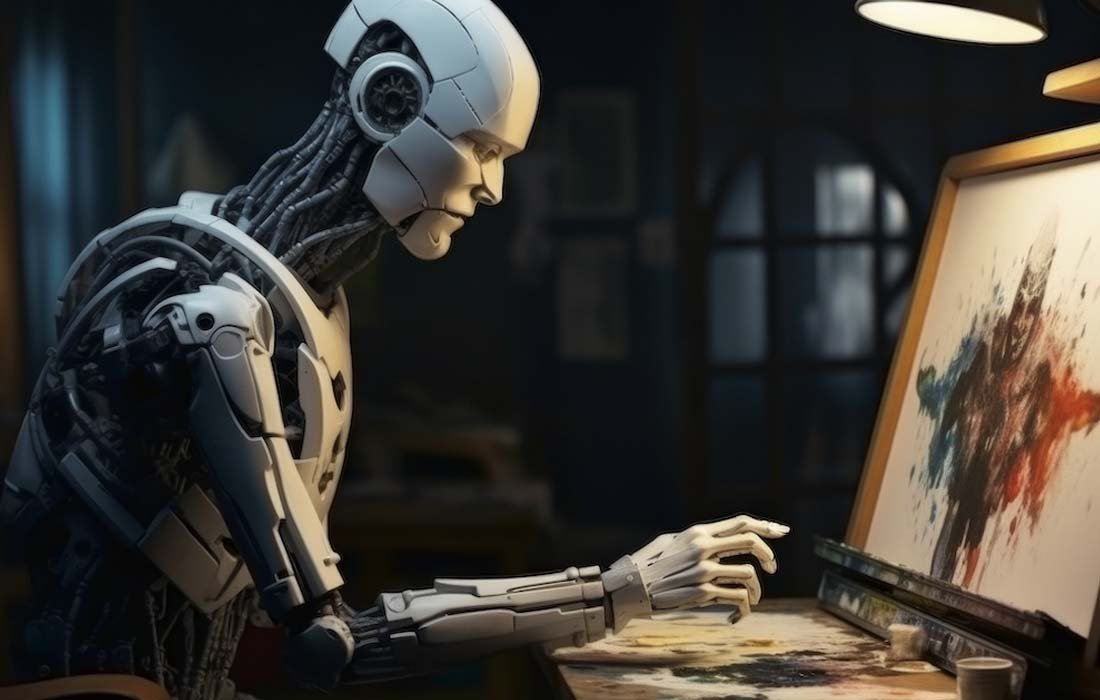
Ask yourself one simple question: Is AI truly safe to trust?
You’ll probably pause for a bit, and that pause contains the answer. AI appears powerful, convenient, and almost magical, yet when it comes to complete safety, most of us have a silent hesitation deep below. Artificial intelligence is rapidly becoming a part of our daily lives, from photo editing to task automation, but trusting it blindly is like leaving your door unlocked all night while knowing the thief is still outside.
This hesitation doesn’t mean AI is bad. It means we need to be aware. As AI tools become more accessible, cases of misuse are rising just as fast. Trends like uploading personal photos for AI image generators, whether it’s Gemini Nano Banana saree edits or Ghibli-style AI portraits, may look harmless and fun on the surface. But on the other side of the coin lies a minefield of privacy risks that many users never consider.
This guide is not intended to preach fear or criticism about AI. Its goal is to make you smarter, more aware, and more prepared so that when you utilize AI, you maintain control and your privacy.
When AI Feels Like Magic: Convenience That Lowers Our Guard
It’s time to be honest: AI feels fantastic when it works. You enter a few phrases, add a photo, and your fantasy becomes a reality. People can visualize themselves doing something they’ve always wanted to do, wearing a lovely saree, flying to Iceland, or entering a world they’ve only imagined, and AI will transform it into a lifelike image. That moment when your dream becomes actual is passionate, magical, and incredibly compelling. This is precisely why AI tools are spreading so rapidly.
Another reason we adore AI is its convenience. It eliminates effort. There is no sophisticated software to master, and no lengthy tutorials to watch. Everything is basic, quick, and intended to appear innocuous. When a tool appears to be enjoyable and simple, we automatically let our guard down. We cease asking questions. We stopped reading permissions. We simply click “upload” and move on.
Social media amplifies this effect. When everyone around us shares AI-edited photographs and creative results, we feel a sense of urgency; if others are doing it, it must be safe. Nobody wants to be left out of what appears to be an interesting and harmless trend. That is the true reason AI feels magical. It does not hide risks; rather, it causes us to forget to look for them.
From Nano Banana Saree Edits to Ghibli-Style Portraits
If you’ve been going through social media recently, you’ve certainly noticed people altering their images into lovely, dreamlike versions of themselves. Some are experimenting with Nano Banana Saree modifications, envisioning themselves in traditional clothes with a unique touch. Others are joining the Ghibli-style AI portrait fad, transforming regular selfies into anime-inspired, fantastical worlds straight out of a Studio Ghibli film.
These edits are more than just entertaining; they’re incredibly personal. People enjoy seeing themselves in ways they have always imagined, such as donning costumes they have always wanted to wear, traveling to faraway countries they have always wanted to visit, or simply living a fantasy version of themselves. It has an emotive quality, almost like staring into a mirror of your imagination. No surprise these trends spread so quickly; who wouldn’t want to see their “dream self” in a beautiful digital world?
However, there is a layer below the magic that most people overlook. When we upload personal images to AI platforms, we provide data, face information, metadata, and more that might be saved, reused, or even misused. On the surface, it appears innocent, creative, and enjoyable. However, it has the potential to be a privacy minefield.
The lesson? Enjoy the creativity, but stay aware. Just because something looks fun and trendy doesn’t mean it comes without risk. AI is powerful, and these trends show it—both in how much it can delight us and how easily our privacy can be exposed.
Your Photo Is More Than A Picture: Be Aware Before Uploading
A single photograph is more than simply an image; it is data. Every selfie, travel photo, or playful AI edit has more information than the eye can perceive. Facial traits, angles, expressions, and background details can all be examined, saved, and linked to other web data. AI does more than just “see a photo”; it decodes patterns that can identify you from anywhere.
This is why personal images are important beyond social sharing. Uploading them to AI tools may appear innocent, but it leaves a considerably larger data record than a trend or fun edit. Your image can be used to train AI models, generate new content, or, in the worst-case scenario, produce deepfakes.
The trick is to understand that a photo is more than simply a picture; it is your digital identity. Recognizing this allows you to appreciate AI technologies while maintaining control over what you share and who has access to it.
How AI Tools Actually Use Your Data?
AI tools are strong, but many users are unaware of how their images and inputs are used. Here’s a more detailed look at what happens behind the scenes:
- Data Storage: When you post photographs, they are typically saved on the platform’s servers indefinitely. This means that your photo may be accessed or examined later, even after you have erased it from your account.
- Model Training: Your photographs could be used to develop new AI models. This means that your photo may have an indirect influence on how future AI outputs are formed, even if you never provide explicit permission.
- Metadata Analysis: Aside from the visible image, metadata such as device kind, location, and timestamps can be collected. This information can show patterns about you that extend far beyond the image itself.
- Content Generation: AI can utilize your image as a reference to generate new images for other users, which means your likeness or style may appear in unexpected ways.
- Limited Control: Simply deleting your photo from the platform does not guarantee that it will be removed from training datasets or backups. Once it’s in the system, it could exist in several copies.
- Privacy Implications: By completing all of these steps, your uploaded data becomes part of a bigger system that you cannot fully oversee, which may have an impact on your digital privacy over time.
Using AI Smartly Without Giving Away Your Privacy
AI is entertaining, inventive, and powerful—but it can be enjoyed safely. Here’s how to remain in control:
Using AI does not have to mean sacrificing your privacy. With a few smart behaviors, you can use creative AI technologies while safeguarding your personal information. Small efforts, such as choosing what to upload and checking permissions, can make a significant difference in protecting your photographs and identity.
- Avoid Personal Photos: Try not to post photographs that show your face, location, or other sensitive personal information. Instead, use avatars, stock images, or altered versions. This allows you to enjoy AI ingenuity without disclosing your name to unknown third parties.
- Check Permissions: Always check the data that the platform can access. Some apps require more than is necessary, such as contact information or complete device access. Being aware of these conditions can help you avoid unintentional data collection.
- Use Watermarks or Adjustments: Before uploading your images, use subtle watermarks or make modest adjustments to safeguard the original images. Even if the AI saves or uses it, your personal mark stays on the content.
- Limit Sharing: Avoid broadly sharing AI-generated photos containing personal likenesses on social media platforms. The more people see it, the greater the likelihood that it will be duplicated, misused, or reused without your knowledge.
- Stay Up to Date: AI technologies often update their privacy policies and functionality. Regularly checking terms ensures you are informed of any changes in how your data is stored, shared, or used, allowing you to maintain control at all times.
AI Is Not the Enemy—Blind Trust Is!
AI tools are not villains; they are simply extremely powerful tools. The true issue stems from naive trust, in which consumers forget to exercise caution. AI may delight, inspire, and even assist businesses and creators in incredible ways, but every technology has limitations and hazards.
The key is responsibility. Understanding how AI works, reviewing permissions, and thinking before posting personal content is what distinguishes responsible use from casual blunders. The tools themselves are neutral; your approach determines whether AI becomes useful or detrimental.
AI fosters creativity, streamlines work, and provides access to things we never imagined. But, like any great instrument, it necessitates awareness, discernment, and a healthy dose of skepticism. When consumers combine excitement and caution, AI no longer poses a risk and instead becomes a source of safe, endless creation.
Conclusion
AI is transforming how we create, share, and imagine. From viral phenomena like Nano Banana edits to Ghibli-style portraiture, it’s magical—but with enchantment comes responsibility. Protecting your privacy does not imply avoiding AI; rather, it entails being mindful, attentive, and clever about the stuff you share. The future of AI has already arrived, and it is thrilling. Use technology to express creativity, realize dreams, and interact in new ways—but don’t give up control. Your photos, identity, and digital footprint require attention.
