

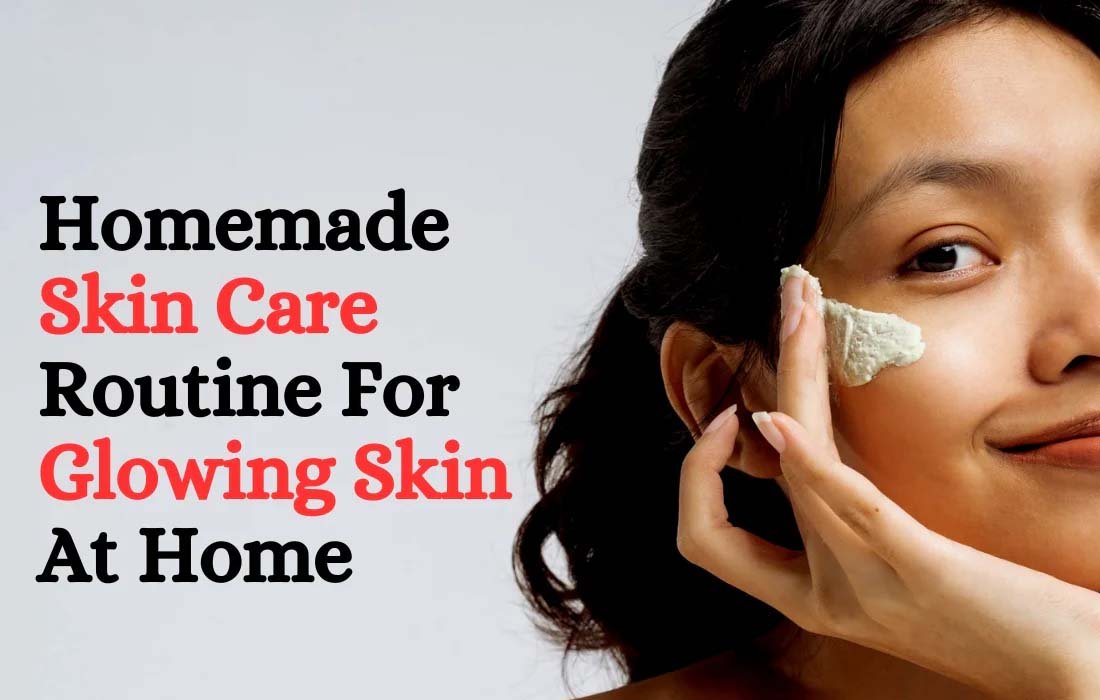
When we hear the word “skincare,” we immediately think of Korean sheet masks, niacinamide serums, or the latest trendy acid. But, before clicking “Pay Now,” have you ever considered what these ingredients actually do? Let’s simplify everything. Niacinamide is a type of vitamin B3 that brightens and strengthens the skin, regulates oil production, and soothes irritation.
Surprisingly, certain common foods naturally contain this skin-loving vitamin. Nutritional yeast, for example, is extraordinarily high in niacin, about 39 mg per tablespoon, far more than our daily requirement. Easily added to salads, soups, popcorn, or smoothies, it supports skin health from within.
This isn’t about replacing skincare products; it’s about realizing that your kitchen can perfectly assist your regimen. Sometimes the best skincare partners are right at home—simple, nurturing, and effective.
“Your skin doesn’t need luxury labels; it needs the right mix—and your kitchen knows the recipe.”
Effective Kitchen Ingredients for Glowing Skin: Affordable Skin Care
Skincare nowadays may be overwhelming—trendy serums, viral ingredients, and countless promises in gorgeous packages. But true skin care is more than simply what you buy; it’s about knowing what your skin really needs. This guide combines current skincare science with common kitchen wisdom to help you make smarter, gentler choices for healthy, beautiful skin both inside and out.
1. Cleanser: Besan (Gram Flour)
Modern equivalent: A Gentle Foamy Cleanser
Why Besan?
Every day, your skin is exposed to pollutants, sweat, makeup, and dirt. A cleanser’s role is to lift that away without removing your skin’s natural oils. Besan, also known as gram flour, works as a natural cleanser because its fine texture adheres to oil and grime. Unlike strong commercial foaming cleaners, which can dry you out, besan cleans gently while balancing oil production. Besan also includes vitamins and proteins, which help to strengthen and clarify the skin.
How To Use It
- Place 1 tablespoon of besan in a bowl.
- Add 1-2 tablespoons of rose water (or plain water).
- Mix into a smooth paste.
- Apply to mildly moist skin. Massage softly for around 30 seconds in gentle circular strokes, avoiding forceful scrubbing. Rinse in lukewarm water.
Tip: If your skin feels dry afterward, immediately apply a mild moisturizer or honey spray. This works well for normal to oily skin. If you have sensitive skin, you can use rice flour instead. It gently cleanses and is less likely to irritate delicate skin.
2. Oil Control Mask: Multani Mitti (Fuller’s Earth)
Best Alternative to Market’s Clay Mask or Oil-Control Therapy
Why Multani Mitti?
If your skin generates too much oil or seems glossy by midday, a clay mask can help absorb it gently. Multani mitti has a natural sponge-like property that softly absorbs impurities from the pores while soothing discomfort. This is comparable to how salicylic acid works, unclogging pores and reducing breakouts, but it is much gentler and better suited for frequent use.
How To Use Multani Mitti
- Take one tablespoon of multani mitti.
- Add rose water (or regular water) and mix until smooth. You can also use honey.
- Apply in a thin layer on clean skin. Allow it to semi-dry (stiff but not cracked). Rinse with cold water.
Here’s a real glow tip: splash with chilly water afterward to tighten pores.
Who this suits: This particular component works wonders for oily and mixed skin. However, if you have dry or sensitive skin, white sandalwood powder can help you hydrate rather than overdry.
3. Gentle Exfoliation: Rice Flour
Modernistic name: AHA Exfoliant (similar to glycolic or lactic acids)
Why Rice Flour?
Exfoliation eliminates dead skin cells, which make your complexion appear drab. However, chemical exfoliants can be too aggressive for daily usage. Rice flour is a natural, gentle exfoliator. Its small particles gently buff away dry skin to reveal softer, brighter skin. Rice includes chemicals that can relax and even improve oil balance.
How To Use Rice Flour Correctly
- Take one teaspoon of rice flour.
- Add 1 teaspoon of honey (which hydrates and binds the mixture together).
- Mix to create a mild scrub. Massage gently with damp hands for 30 seconds. Rinse. No strong pressure, simply soft circles!
Best for Skin Type: This mixture is ideal for all skin types, particularly those with dull or uneven texture. If you have sensitive skin, do not worry! You don’t have to compromise; instead, use oat flour, which dissolves readily and aids in ultra-gentle exfoliation.
4. Brightening Boost: Turmeric
Home Ingredient for Vitamin C/Brightening Serum
What Turmeric Really Does
Turmeric contains curcumin, a potent antioxidant and anti-inflammatory substance. Curcumin in skincare reduces redness, promotes even skin tone, and provides a beautiful glow. Many brightening serums contain vitamin C to minimize dullness and balance out pigmentation, but turmeric does it organically from within. When combined with relaxing ingredients, turmeric creates a tranquil and glow-enhancing mask ingredient.
How to Use It:
- Use 1 tbsp of yogurt for added hydration and texture.
- Add 1 tablespoon of besan to remove dirt.
- 1 tsp honey — humectant; seals in moisture
- A teaspoon of turmeric—the primary active ingredient
- Mix well. Apply a thin coating. Allow for 10-15 minutes, then carefully rinse (turmeric may tinge if left too long). Kasturi turmeric (a milder, cosmetic version) is gentler and less staining if available.
Best Results Tip: If you have normal to combination skin and want radiance, this will be the miracle ingredient for you. And for those with sensitive skin, we recommend patching turmeric first; a small pinch may produce warmth for extremely sensitive skin. If you experience warmth, reduce the amount to a smaller pinch or mix it with additional yogurt.
5. Repair and Renew: Aloe Vera Gel
Aloe Vera Gel is the best alternative to Retinol
What Does Aloe Do?
Although retinol is well-known for promoting cell renewal and collagen production, it can be unpleasant for many people. Aloe vera gel is a gentle alternative that helps skin restoration, reduces inflammation, and increases skin flexibility. While not identical to retinol, it promotes skin renewal without flaking or irritation. Aloe is also very moisturizing, reduces redness, and strengthens the skin’s barrier.
How to Use It?
- Scoop fresh aloe gel off the leaves.
- Apply a small layer on clean skin.
- Leave it on for 20–30 minutes or overnight.
- If your skin tolerates it well, rinsing is unnecessary; simply cleanse lightly in the morning.
Essential tip: All skin types, including sensitive and reactive skin. It also works for dry skin, but if you want to add more nourishment, mix in a few drops of almond oil with the aloe.
6. Hydration Hero: Honey
Honey Modernistic Name: Hyaluronic Acid
Why Should You Use Honey?
Hydration is essential for a healthy glow. Hyaluronic acid acts as a sponge to help the skin retain water, and honey naturally does the same thing. It is a natural humectant, which means it draws moisture from the air and retains it in your skin. Honey is both antimicrobial and soothing, a rare combination in one substance.
How to Use It?
- Apply a thin layer of raw honey to your face.
- Let it settle for ten minutes.
- Rinse with lukewarm water.
- You may also use honey and aloe gel for extra moisture.
This Benefits the Following Skin Texture: This works well for all skin types, especially dry or dull skin. For oily skin, mix honey with a dash of rose water to soften the texture.
7. Seal and Strengthen: Milk or Almond Oil
Homemade Ceramide for Barrier Seals and Moisturizers
Why Does This Step Matter?
Once your skin has been cleansed, exfoliated, brightened, restored, and hydrated, it needs a final seal to keep all of the goodness in. Milk includes healthy fats and acids. Almond oil contains fatty acids and vitamin E, which help to protect the skin’s barrier against moisture and inflammation. This is comparable to how ceramide moisturizers work: they build the skin’s outer layer, keeping it healthy and resilient.
How to Use It?
- Add a few drops of milk or sweet almond oil.
- Gently massage up and outwards.
- Allow it to absorb naturally.
- This process leaves your skin feeling soft and protected for hours.
Advanced tip: When it comes to which skin kinds should use this, the answer is that all skin types can use it; simply modify the amount as needed. For dry skin, add more almond oil for additional moisture.
Safe, Smart, and Consistent: Making Natural Skincare Work
Natural ingredients can work wonders for your skin, but only when utilized properly. Skip the blunders that waste time and cause irritation, and instead learn basic practices that make every kitchen treatment truly effective. In this part, we disclose how to use these compounds safely, regularly, and alongside your favorite skincare products to achieve genuine results.
1. Consistency drives the path to perfection
These culinary rituals work best when done on a regular basis, rather than obsessively. Consider a couple times per week, just like you would with cleansers, masks, or serums.
2. Always conduct patch tests
Even natural ingredients can cause irritation when used for the first time. Always perform a patch test on your inner wrist or behind your ear before applying to your entire face.
3. Pair with smart habits
Good sleep, hydration, a balanced diet, and gentle sun protection produce considerably better effects than any single natural or branded product.
4. Not against skincare products
This routine does not say to never use products. It simply demonstrates that your kitchen can be a reliable friend in your skincare journey, whether before, after, or alongside your favorite products.
End of note!
Try these home treatments once a week and combine them with healthy behaviors such as eating fruits, protein, and fiber, exercising regularly, and drinking enough water. Take some time to rest your mind. When you are happy and balanced on the inside, your skin will naturally glow on the exterior. Simple care, both inside and outside, results in genuine brightness.
